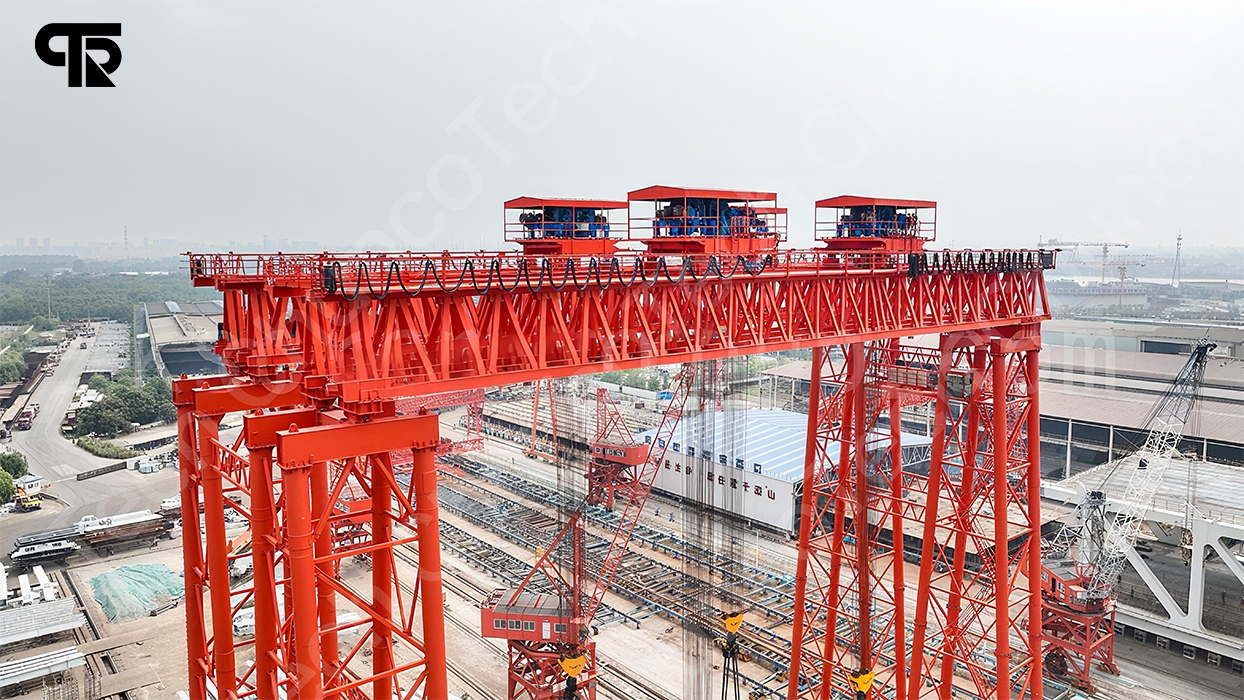
Selecting a hoisting apparatus, the selection often concerns jointed crane versus direct arm. Telescopic booms grant straightforwardness and are optimal for orthogonal lifts, but pivoting cranes supply improved maneuverability, allowing access to tight spaces. Contemplate the task environment; if you’re primarily facing barriers or call for more elaborate positioning, a variflex lift is likely the superior option. However, for unrestricted areas and fundamental lifts, a direct boom might prove a greater budget-friendly alternative.
Knowing Tough Lifting Boom Loaders: Applications and Advantages
Rigid arm devices represent a particular type of elevating equipment, created for weighty load transportation in hard surroundings. Their leading quality is a unyielding lifting arm makeup, which grants for definitive positioning and advanced firmness, especially when performing in limited spaces or at large heights. Common purposes encompass bridge construction, industrial campaigns, breeze plantation fitting, and structural advancement. The principal advantages embrace increased care, boosted effectiveness, and the capability to finish tasks that would be unrealizable with usual machines. This amounts to reduced fees and boosted initiative outcomes.
Quay Loaders: The Titans of Ship-to-Shore Container Transfer
Present-day colossal STS elevators represent the max of engineering success in the maritime industry. Designed to speedily load and offload containers between ships and the jetty, they are necessary for the fluid operation of modern wharves. Their altitude – often exceeding one hundred vertical feet – and unbelievable capacity allow them to handle the most immense container vessels currently in work, fundamentally forming global trade.
Knuckle Boom Cranes: Diversity in Elevating Operations
Articulated cranes are celebrated for their exceptional flexibility, providing technicians with a special advantage in variegated raising chores. Possessing a curving boom part, these mighty devices can cover around impediments and set materials in cramped spaces. This trait makes them befitting for purposes in formation, warehousing, resources work, and varied other categories. In conclusion, knuckle boom lifters offer a beneficial approach to tricky lifting necessities.
Straight Boom Cranes: Meticulousness and Stability Clarified
Unbending boom devices are recognized for their notable competence to deliver accurate lifting and deployment of items. Unlike telescopic models, their plain design yields inherent firmness, making them appropriate for operations requiring elevated measures of regulation and low rocking. This peculiarity is particularly critical in erection sites and domains where tight tolerances are vital.
Stiff Lifting System Advantages: Whenever Hardness Is Concerned
Usual lifting boom lifters often face challenges with flex, especially when handling bulky items or working at considerable distances. Yet, unyielding crane arm machines grant a marked lead by decreasing undesirable oscillation. This augmented steadiness converts to reliable processes, better accuracy, and a lower risk of load fluctuation. As a result, strong apparatus are fitting for jobs where operational robustness is essential.
Ship-to-Shore Cranes: A Comprehensive Overview into STS Systems
Particular pier lifter device platform represents an essential component of modern transport hubs. Current STS cranes are elaborate frameworks built to efficiently shift loads by massive freight boats onto seashore conveyance. Their respective operation demands skill engineering and sophisticated systems to ensure welfare and improve flow.
Contrasting Crane Models: Folding, Direct, Heavy-Duty, and Ship-to-Shore
Settling on the suitable crane for a distinguished task is imperative. While many alternatives exist, four usual models – variflex cranes, rigid cranes, tough cranes, and harbor cranes – represent significantly divergent capabilities. Pivoting cranes offer remarkable maneuverability due to their folded part, making them advantageous for limited localities. Boom cranes yield flexible stretch through their extendable segment, first-rate for widespread heaving needs. Rigid cranes conserve a steady component, ideal for correct installations where steadiness is vital. Finally, Jetty cranes, designated for freight hauling at harbors, boast huge lifting strength and extended spread.
- Articulating Lifter Categories
- Fixed Lifting Kinds
- Robust Crane Kinds
- Harbor Handler Classes
A Development Pertaining to STS Cranes: Patterns and Refinements
Throughout recent periods, STS (Ship-to-Shore) crane engineering has undergone a substantial progression, caused by required for improved port performance. Early STS cranes were moderately simple constructions, integrating basic performing mechanisms. Now, contemporary STS cranes incorporate sophisticated automation, including state-of-the-art control systems, intelligent positioning abilities, and augmented safety standards. A key pattern is the inclusion of electrically driven propulsion, curbing discharges and elevating operational endurance. What’s more, the rise of remote operation and automated maintenance are evolving the area associated with STS crane use. The expectation sees sustained priority on fuel optimization and the design of even taller cranes to accommodate constantly bigger container boats.
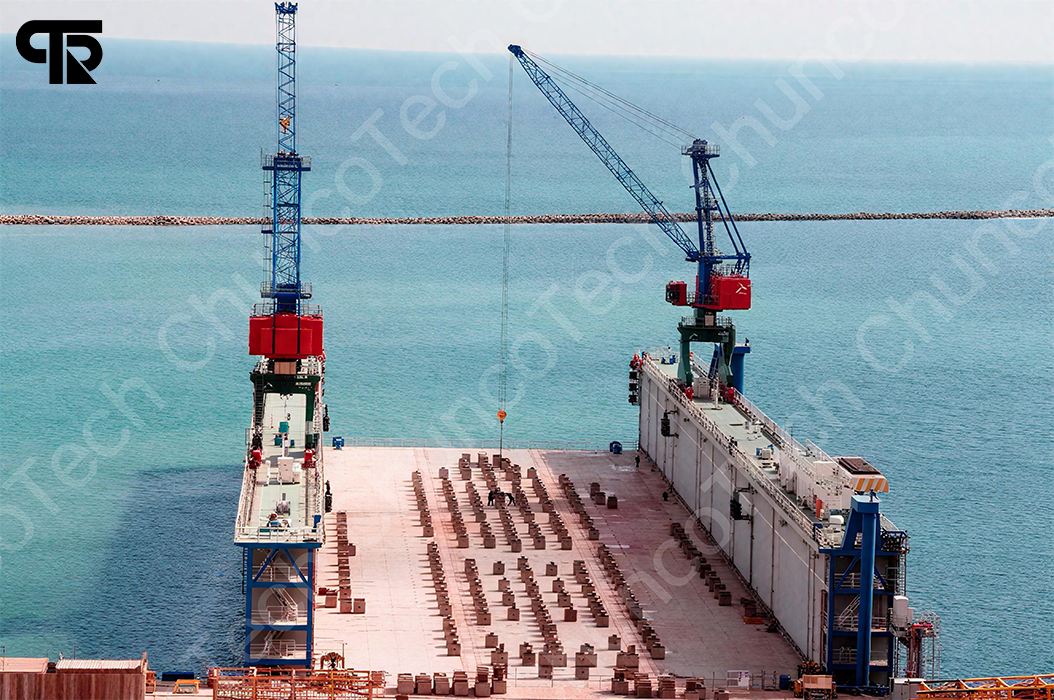 Hopper Loader