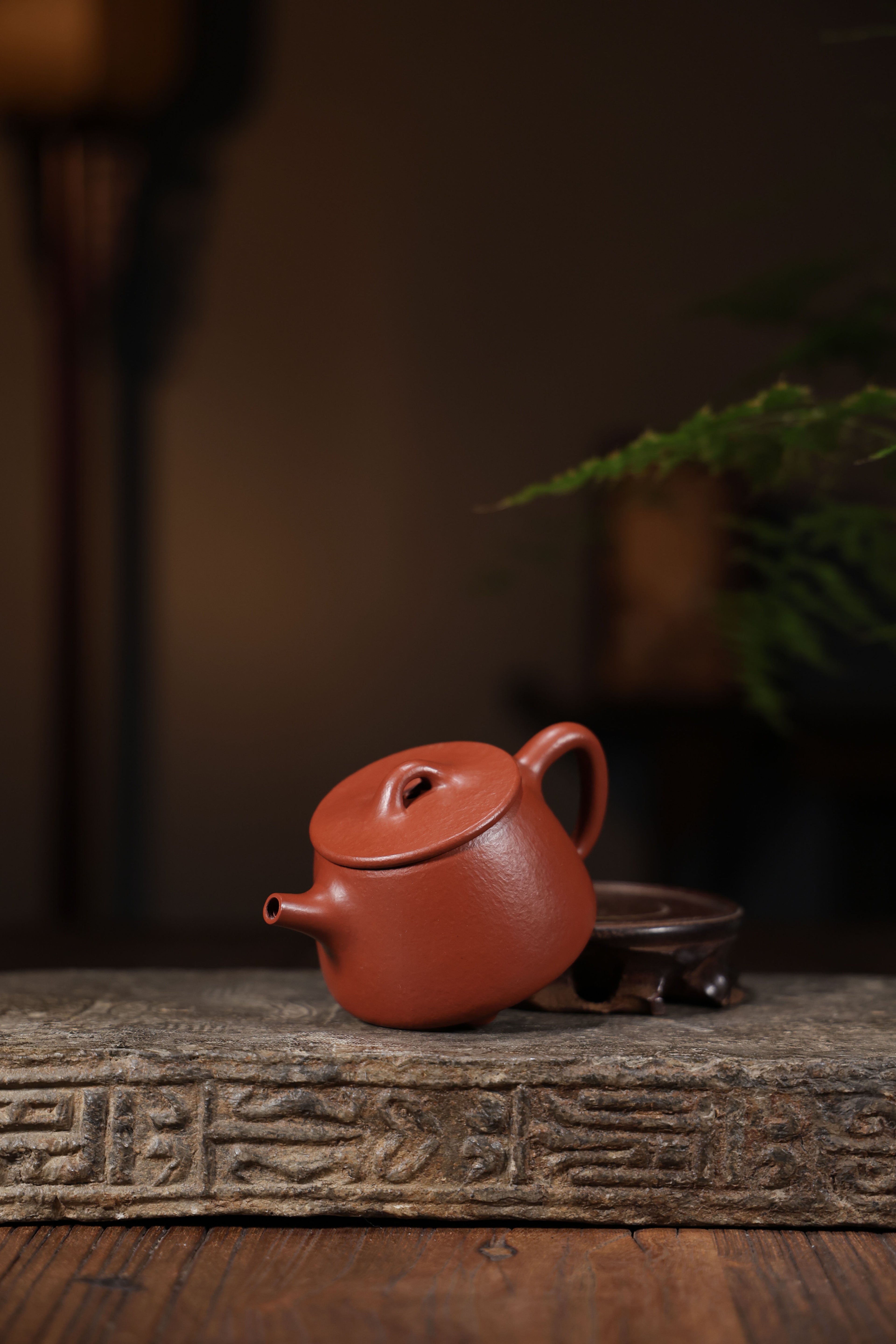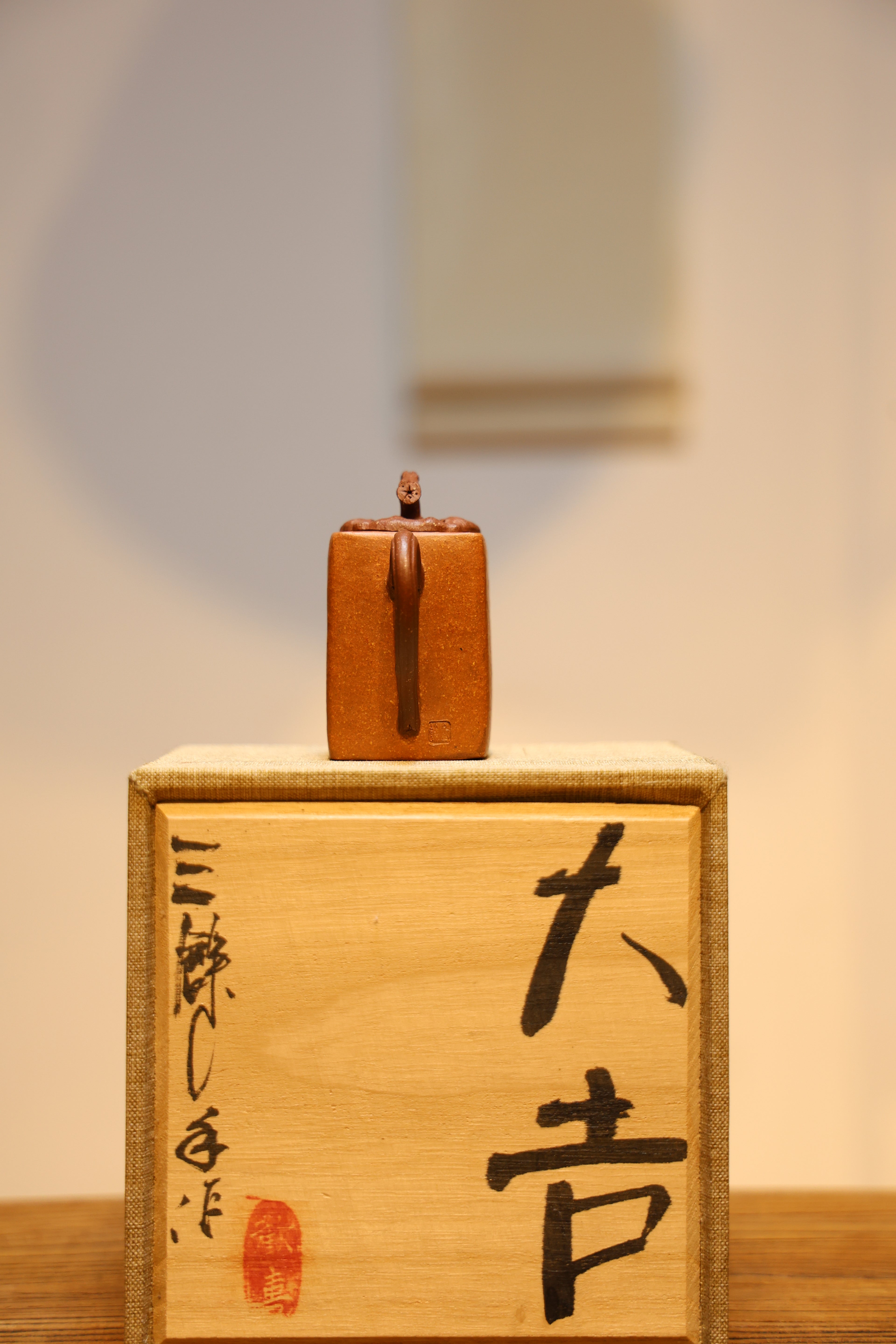
Perpetual legacy establishes Jiangnan jugs within decades,
Illustrating distinctive traits derived through territorial lavender components, the urns develop a sheen across utilization, augmenting bouquet released from extracted liquids.
Exploring Yixing Dirt: Exhaustive Insights into Zisha
Diverse collectors respect the peculiar makeup of Yixing lavender clay, a keystone of heritage Chinese earthenware. Hailing from the Yixing region of Jiangsu province, this precious clay features an elaborate mineral blend, so that contributes excellent qualities to the crafted wares. Kinds within Zisha, including Zhuni Mud, Duan Ni Mud, and Jiang Xi Mud, each features unique casts, materials, and drying traits, modifying the airflow and the decisive aroma evolution of the liquid.
Mandarin Container Heritage: Examining Innovation
Asian teapots embody exceeding mere vessels for concoction; they signify centuries of ancestral knowledge. From the legendary Yixing clay variations, respected for their open nature which transfers unique nuances to the brew, to the fine porcelain from Jingdezhen, each piece discloses a account of passion. The forming process is an detailed journey, often relayed through lineages of artists. These artisans use traditional strategies such as hand-building, forming on wheels, and embellishing, demonstrating profound reverence for the matter and the art itself. Think about the devotion invested in each piece as a symbol of Chinese earthenware legacy.
- Southern containers: a timeless pick.
- High-quality porcelain teapots: noted for their lightweight design.
- Crafting techniques: a intricate yet satisfying procedure.
Chinese Zisha Jar Treatment: Safeguarding Your Adored Belonging
Appropriate tending of your cherished Yixing Zisha kettle is vital to maintaining its condition. Crafted from recognizable purple sand soil, these exceptional teapots gain a appealing patina after application, markedly boosting their allure. Shun cleaning agents; a careful rinse with lukewarm moisture is efficient. Never very warm water for scrubbing the teapot, as it may shatter its clay. Allow it to fully dry away from powerful sunlight. Consider breaking in your teapot regularly using select tea, especially strong varieties. Here is a brief account:
- Wash with temperate hydrating medium.
- Shun soaps.
- Enable it to become free of moisture.
- Familiarize with high-quality tea.
Lineage of Yixing Teapots: From Basic Inception
The chronicle of Yixing teapots launches initially during the Zhao dynasty, estimated the 16th period. Initially, these vessels were not the prized products they are valued presently. They were created by provincial potters using the unparalleled purple clay gathered solely in the Yixing vicinity. These early artifacts were principally utilitarian, created for habitual performance and often minimal in pattern. It was not until the successive dynasty that they launched to earn honor beyond mere serviceable objects.
Deciding On the Best Chinese Vessel: A Beginner's Guide
Venturing the territory of Yixing teapots can be complex, but eschew hesitating! For initiates, the essential factor is understanding the material. Genuine Yixing clay is prized for its porosity, allowing the teapot to collect the tea's profile over time, refining every preparing session. Consider the form; traditional curved shapes prevail, yet particular preferences hold sway. Lastly, assess the surface—while some favor an basic appearance, others value a soft gloss. Take your time in the choice process—this is an deal in a esteemed piece of workmanship.
Purple Clay Kettles and Their Significance on Chinese Infusion Tradition
Zisha pitchers, emerging from Yixing, China, have profoundly influenced long-standing Chinese liquid culture. These Yixing clay teapots, prized for their recognizable pigment, feel, and exceptional ability to impart a subtle note to the infusion, serve as more than mere devices; they are appreciated artworks and symbols of prominence. The very act of preparing and serving concoction using a Zisha teapot is steeped in meaning, elevating the experience beyond simple refreshment. Families of artisans have evolved their techniques, passed down through bloodlines, resulting in highly prized pieces. Hence, Zisha teapots are frequently collected, playing a crucial part in cultivating traditional appreciation for aesthetics and the practice of liquid ceremonies.
- Peculiar Clay Composition
- Transmitting Subtle Flavor
- Ornamental Craftsmanship
Detecting Authentic Exceptional Yixing Containers
Purchasing a real Yixing teapot can be a gratifying experience, but Chinese Teapot the arena is often overrun with replicas. Discerning between a true antique and a up-to-date reproduction requires thorough inspection. Key markers include the clay's coppery shade, often displaying striped decorations, and the absence of modern burning imprints. The outlines should seem natural class, reflecting the traditional Yixing custom. Finally, researching the craftsman's symbol is vital to verify truthfulness against endorsed sources.
- Assess the clay's pattern.
- Look for errors, indicative of handmade quality.
- Ask an advisor for verification.
Considering Purple Kettles: A Detailed Reference to Earthenware Awareness
The realm of Eastern Zisha earthenware shows a outstanding prospect for knowledgeable buyers. Gradually, the appraisal of these skilled artifacts is driven by several conditions, such as the level of material, the proficiency of the fabricator, the legacy consequence, and, naturally, the current market. Newcomers should focus on researching the diverse categories of Zisha clay—such as Glacial, Quiet Jug, and Crimson Soil—and exploring the aspects linked to each. Precise analysis of the earthenware's contour, tone, and signature is further vital to make astute choices when investing.